
Read a Capacitor Derating Chart: Voltage Limits and Effective Capacitance
A voltage-limit curve and a capacitance-change curve answer different questions. Record the ordering-code chart, and leave every unknown cell blank.
Reference / 01
Decode a part number, then read the documentation that belongs to that exact device. Compare package, electrical limits and operating conditions before considering alternatives.
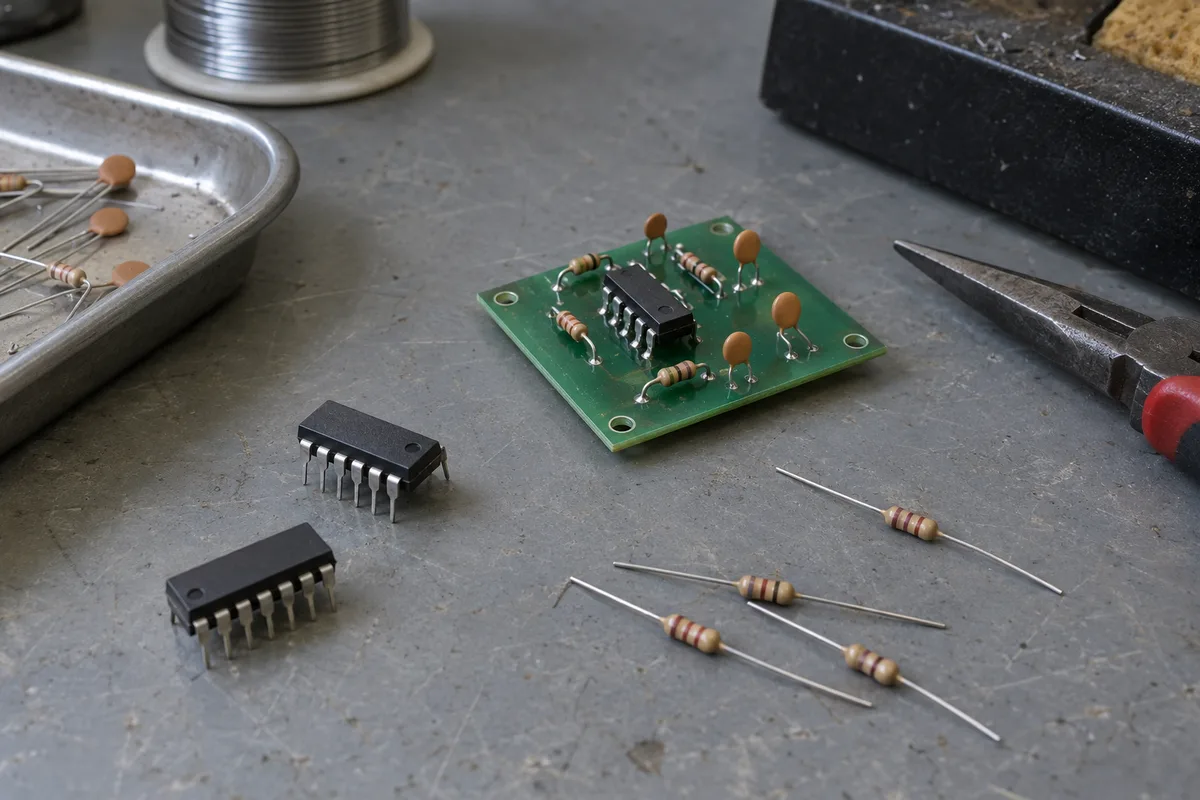
Reading route
This route connects the questions to the documentation you need. Start with the inputs, keep the source beside the claim, then follow the application.
Step 01
Record the complete manufacturer part number, including suffixes, alongside the manufacturer name and the document revision. A similar-looking ordering code is a lead to investigate, not evidence that two parts are interchangeable. Keep markings on the physical package separate from the ordering code until the relevant manufacturer documentation explains their relationship.
Step 02
Find the ordering information and package drawing first. Then read the operating conditions, electrical characteristics and the conditions attached to those characteristics. Use the absolute maximum ratings as a separate check; do not treat a limit table as a recommended operating point. A useful record keeps each value next to its unit, test conditions and source.
Step 03
If the original part is unavailable, carry the documented requirements into the sourcing route. Compare what the application needs rather than matching a description from a marketplace. A replacement review belongs to a separate checklist: package and pin assignment, electrical behaviour, environmental limits and the validation needed for the actual board.
Before interpreting device text, use the ordering-code, marking and board-reference record.
To keep operating assumptions tied to the original file, follow the microcontroller datasheet condition checklist.
Compare the exact assembly before reducing a panel footprint with the Han Size 4 replacement assessment.
Before copying a curve into a voltage or capacitance cell, use the capacitor derating chart reading record.
Continue through component documentation, sourcing evidence, power requirements, control interfaces and equipment applications as your task requires.
These public documents show the scope of the checks described above. Device and equipment limits remain specific to each document; this route does not replace the relevant current manual. Accessed October 8, 2026.
A voltage-limit curve and a capacitance-change curve answer different questions. Record the ordering-code chart, and leave every unknown cell blank.
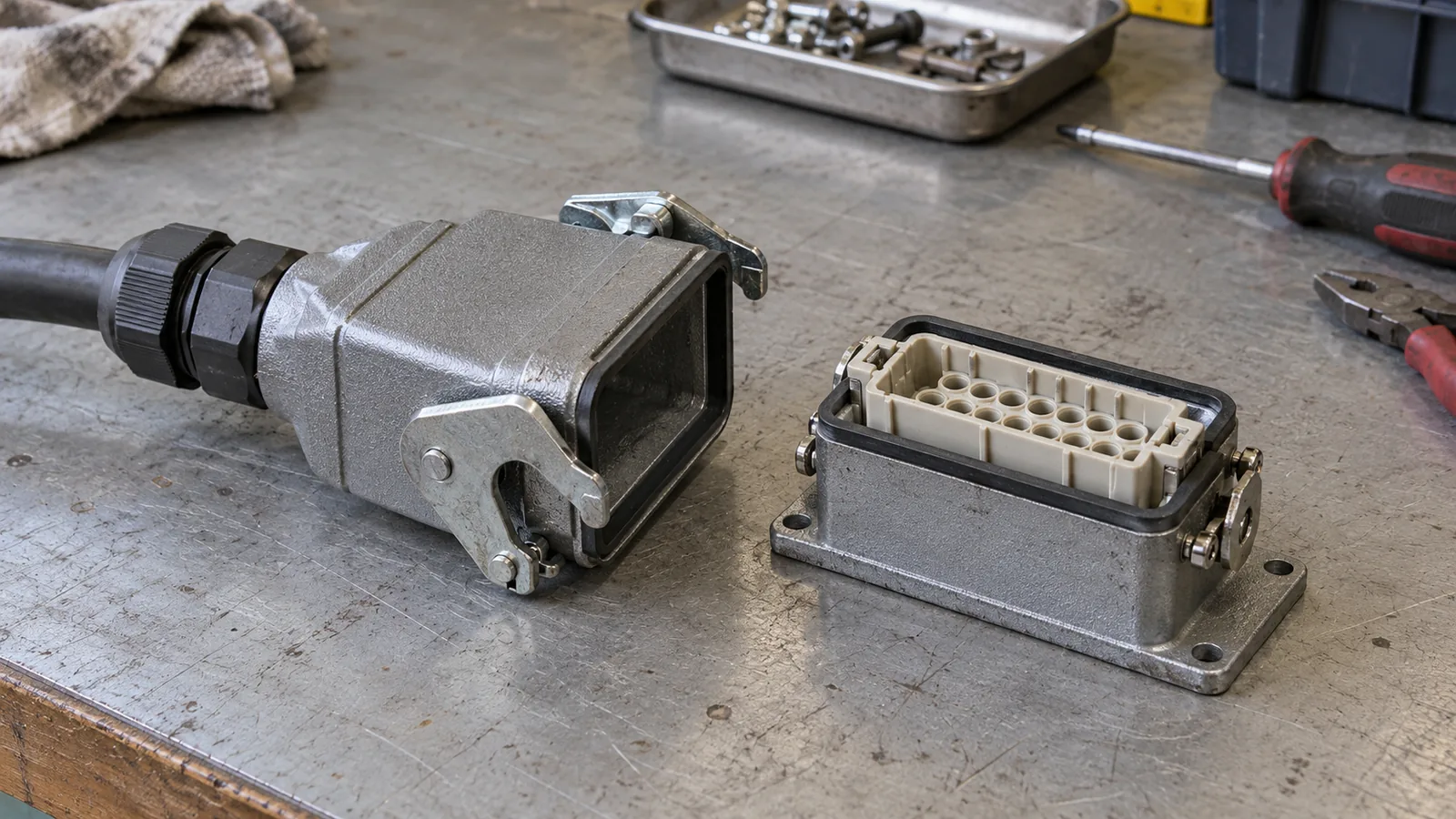
Assess Han Size 4 as a Han 6 replacement candidate. Keep HPR comparisons, exact assembly ratings, mounting differences and US supply questions separate.
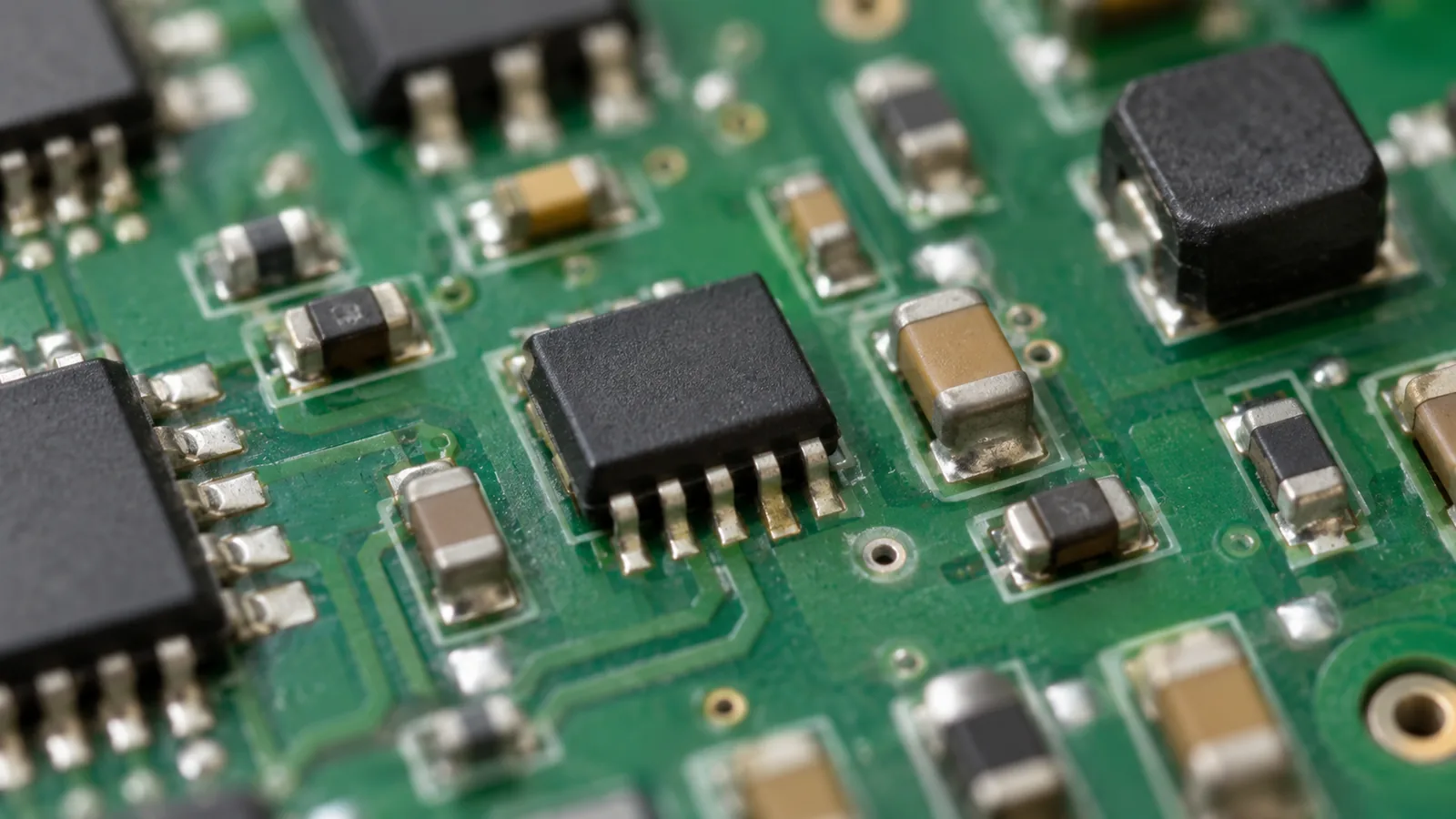
Keep full ordering codes, package markings and board references separate in a source-linked identification record, with unresolved matches clearly documented.
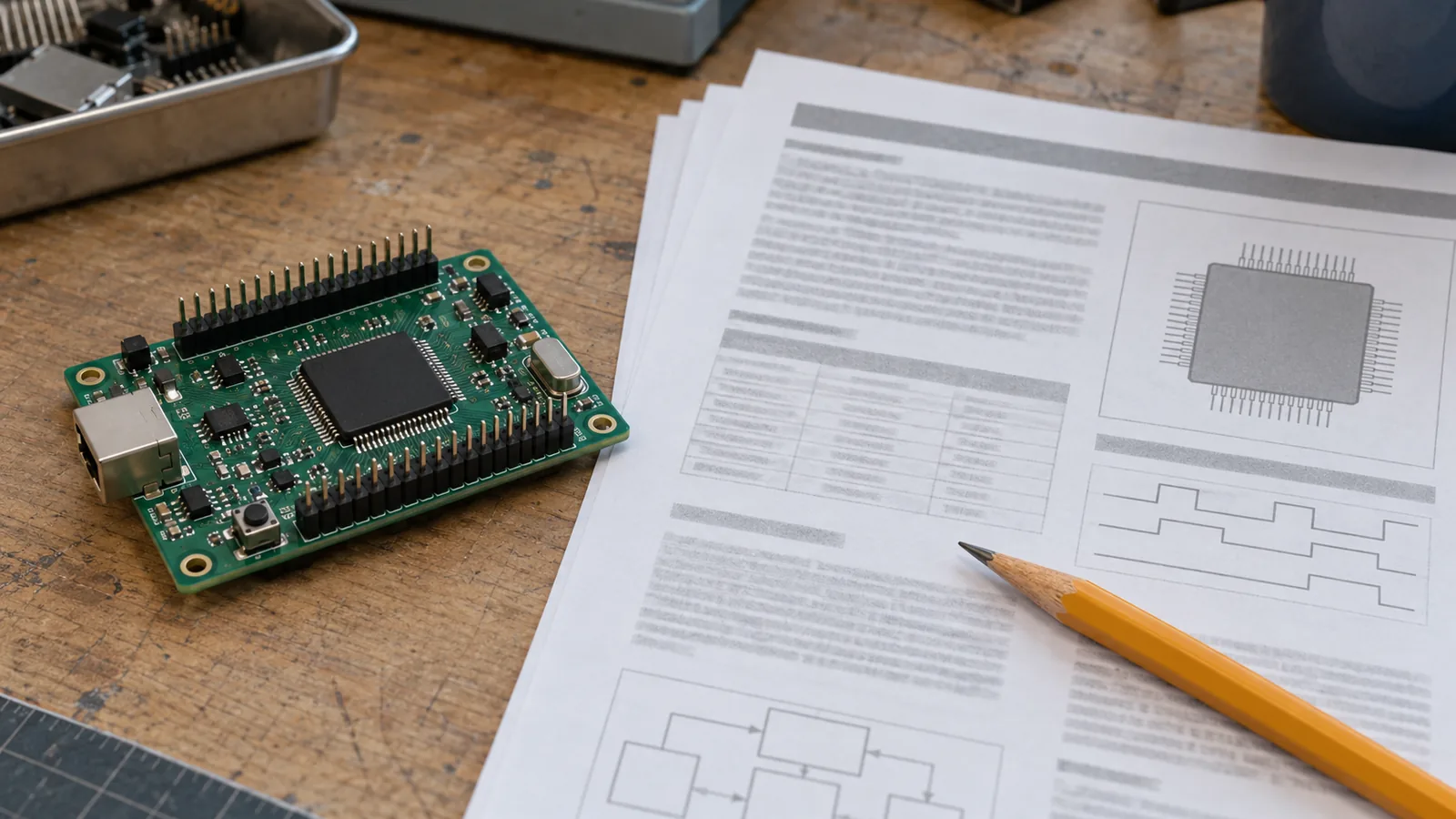
Read MCU documents by device, revision, section and operating condition. Use a source-linked checklist without treating absolute maximum ratings as operating targets.