What Is the Shelf Life of ICs? Storage, Floor Life, and Acceptance
An old IC date code is not a scrap or release decision. Separate sealed-bag storage evidence, opened-bag floor life, and the buyer's acceptance terms, then name the missing record.
Reference / 02
Build an evidence trail from the requested part to the received lot. Separate manufacturer identity, lifecycle status and traceability records from a seller’s availability claim.
Reading route
This route connects the questions to the documentation you need. Start with the inputs, keep the source beside the claim, then follow the application.
Step 01
An availability listing answers whether a seller claims to have a part. It does not settle manufacturer identity, lifecycle status or whether records cover a particular received lot. Record those as separate questions, each with its own source. Start with the manufacturer’s ordering and lifecycle documentation, then request the documents needed to connect the purchased item to that identity.
Step 02
A date code is one field in a larger evidence trail. Use the manufacturer’s marking guidance to interpret it and retain the relevant packaging labels and supplier records. Ask which records apply to the actual lot being offered. A photograph or plausible code alone is not an authentication conclusion; unresolved identity and traceability questions need to remain visible.
Step 03
For an unavailable or obsolete component, identify the function that must be retained and the board constraints before comparing candidates. Keep a sourcing decision separate from an engineering approval. A candidate list should state which requirements are documented, which differences need evaluation and who is responsible for confirming suitability in the intended equipment.
When a discontinued part creates a purchasing question, start with the obsolete-component replacement requirements matrix.
For receiving documentation, keep the observed marking and source links in the component date-code and traceability record.
When an old date code raises a use-or-hold question, separate storage evidence, opened-bag floor life, and the buyer's acceptance file in the IC shelf-life guide.
Before changing an annual assembly plan, use the EMS program questions after Jabil’s earnings release to distinguish forecasts from commitments.
When a component manufacturer issues a change notice, use the PCN affected-parts and revision review to match the issuer's list to your BOM and keep sample and implementation dates apart.
When a cleaning-chemistry supplier announces a new facility, use the chemistry site-change checklist to identify affected products and the records needed for local review.
Continue through component documentation, sourcing evidence, power requirements, control interfaces and equipment applications as your task requires.
These public documents show the scope of the checks described above. Device and equipment limits remain specific to each document; this route does not replace the relevant current manual. Accessed October 8, 2026.
An old IC date code is not a scrap or release decision. Separate sealed-bag storage evidence, opened-bag floor life, and the buyer's acceptance terms, then name the missing record.
Read a component PCN as an evidence review: confirm the revision, get the full affected-parts list, match exact ordering codes and keep each date separate.
Use Jabil’s earnings release to prepare program-level questions about EMS capacity, materials, test readiness and commitments before changing an annual plan.
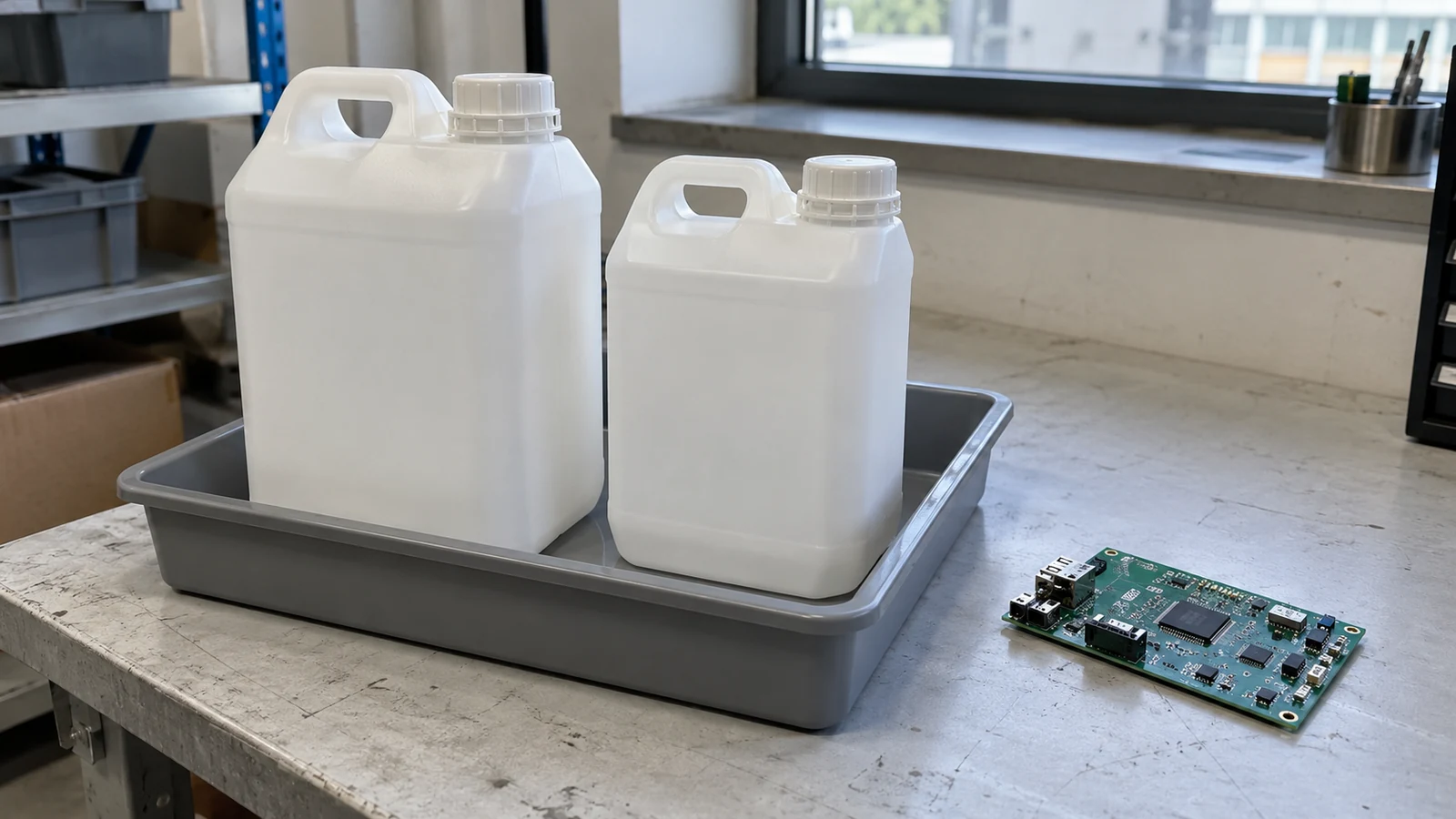
Check whether a chemistry supplier’s new site affects your product. Record change scope, batch documents, process review and product-specific delivery terms.
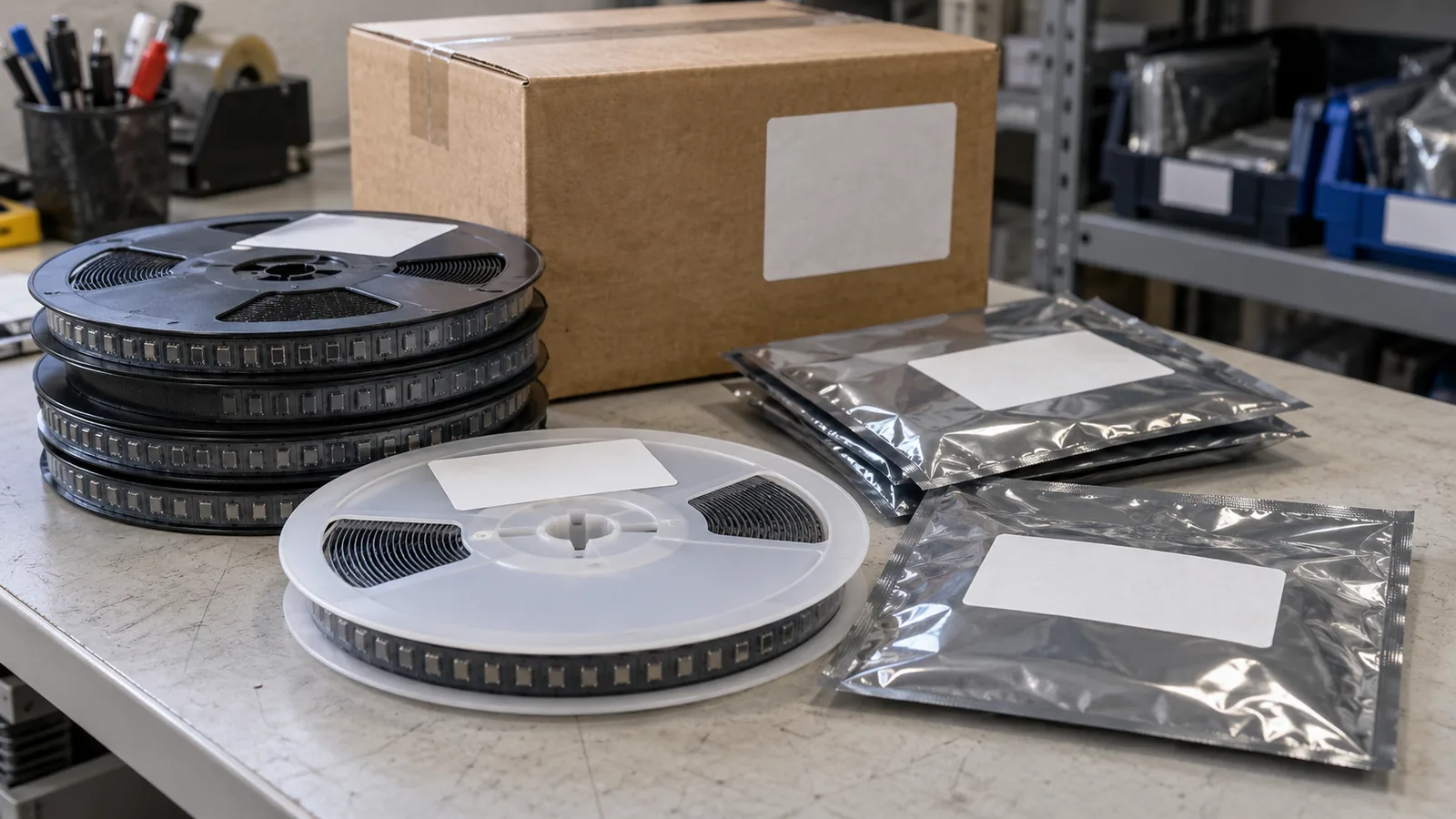
Record component date markings with manufacturer rules, batch documents and purchase records. Keep date interpretation separate from origin and acceptance decisions.
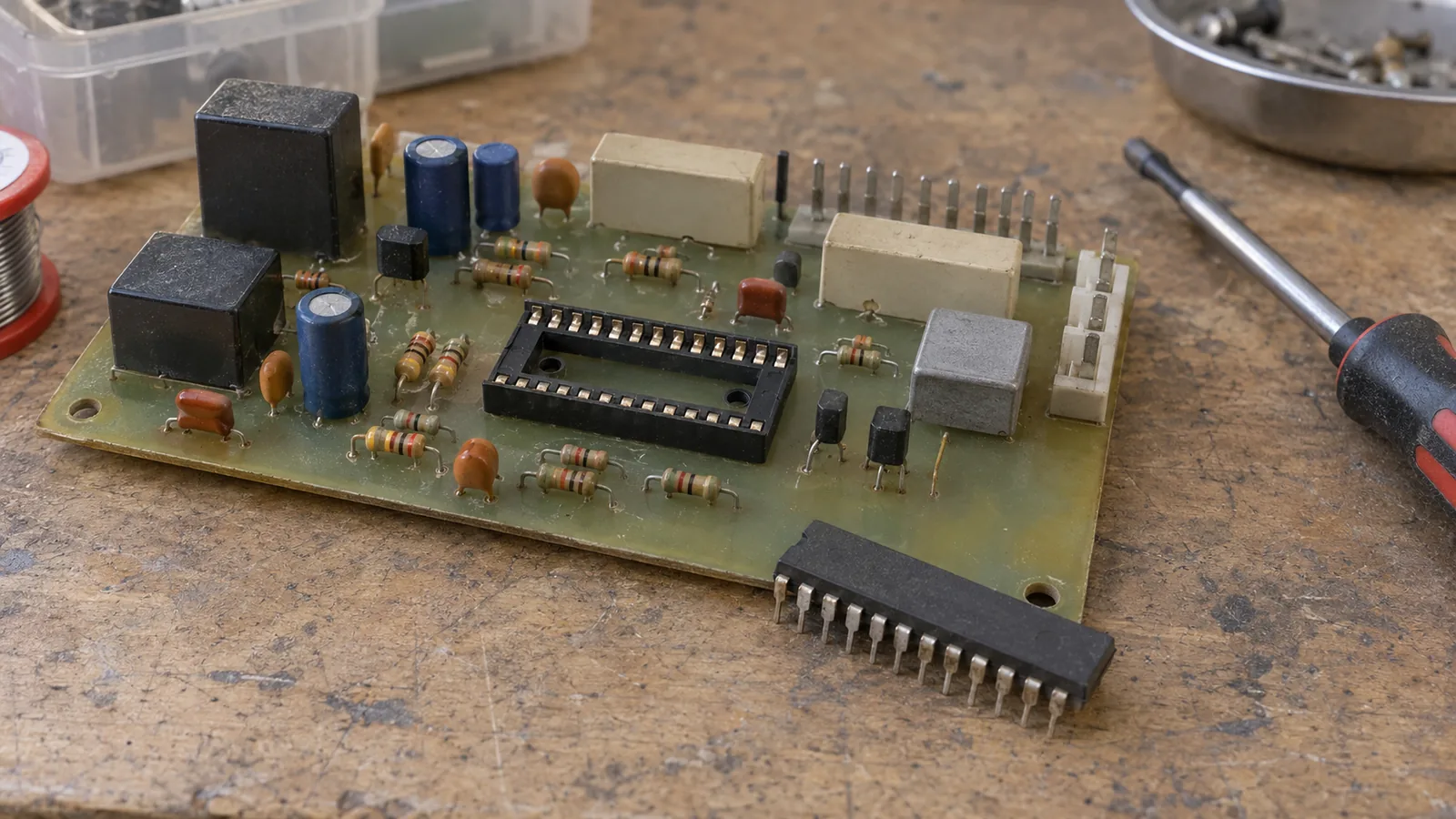
Separate purchasing the same discontinued part from engineering substitution. Record lifecycle evidence, board constraints, candidate differences and review owners.