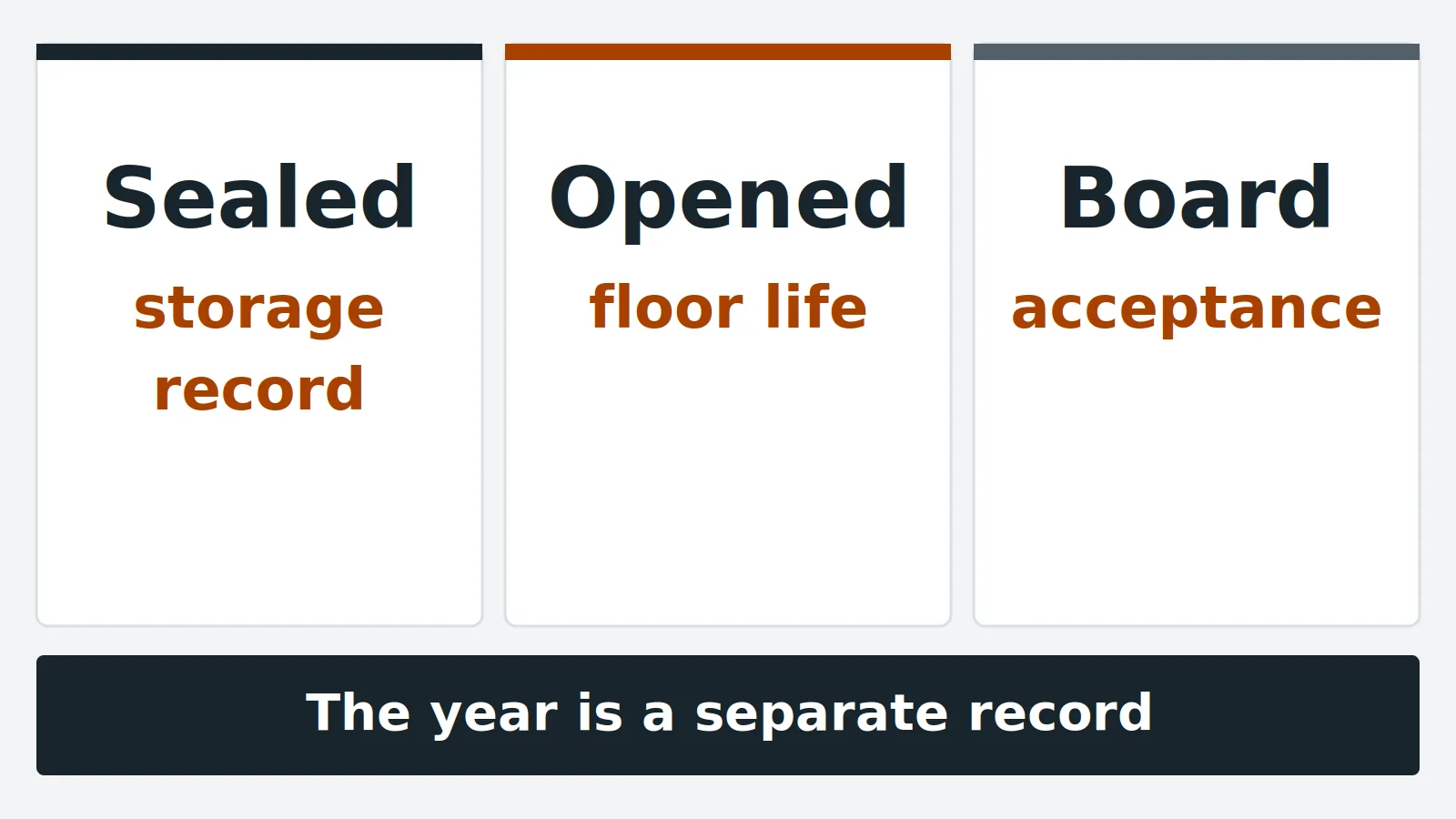
Annual purchasing plans built from a supplier’s group revenue can cause rework when they miss the commitments needed for a specific electronics program. After Jabil’s Q4 FY2026 release, ask an EMS partner for program-level capacity, material, test and commercial evidence before changing the plan.
Jabil’s earnings announcement is a reason to organize the next supplier conversation, not evidence that your production slot, price or lead time has changed. The original September 30, 2026 release describes preliminary, unaudited results and a forward-looking fiscal 2027 outlook. Turn those broad statements into questions tied to your assembly, site, forecast and contractual commitments.
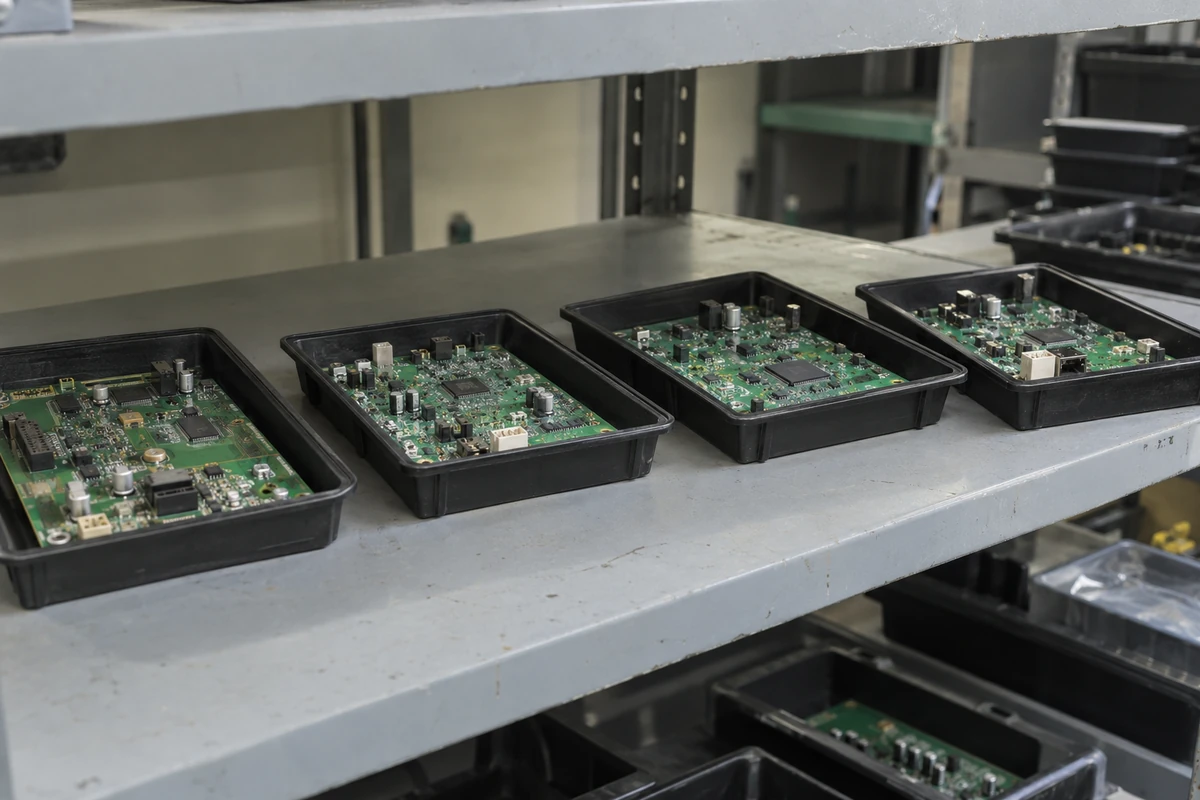
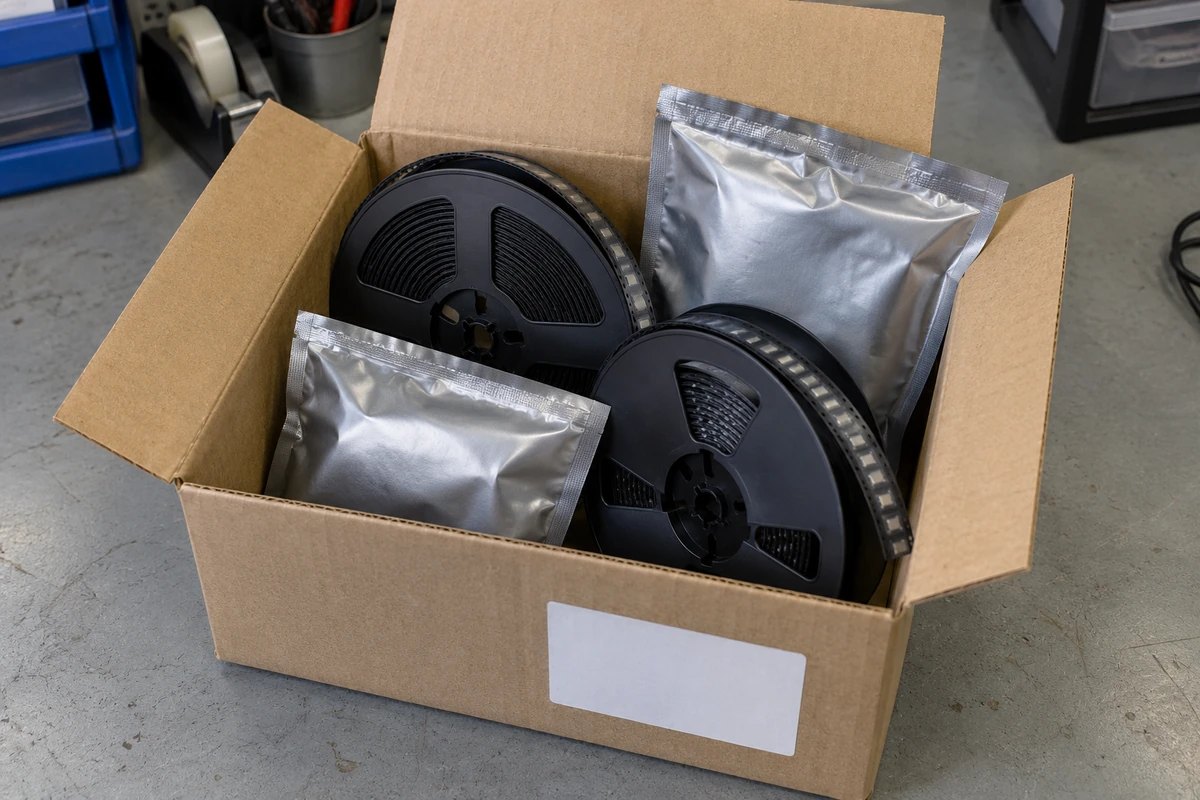
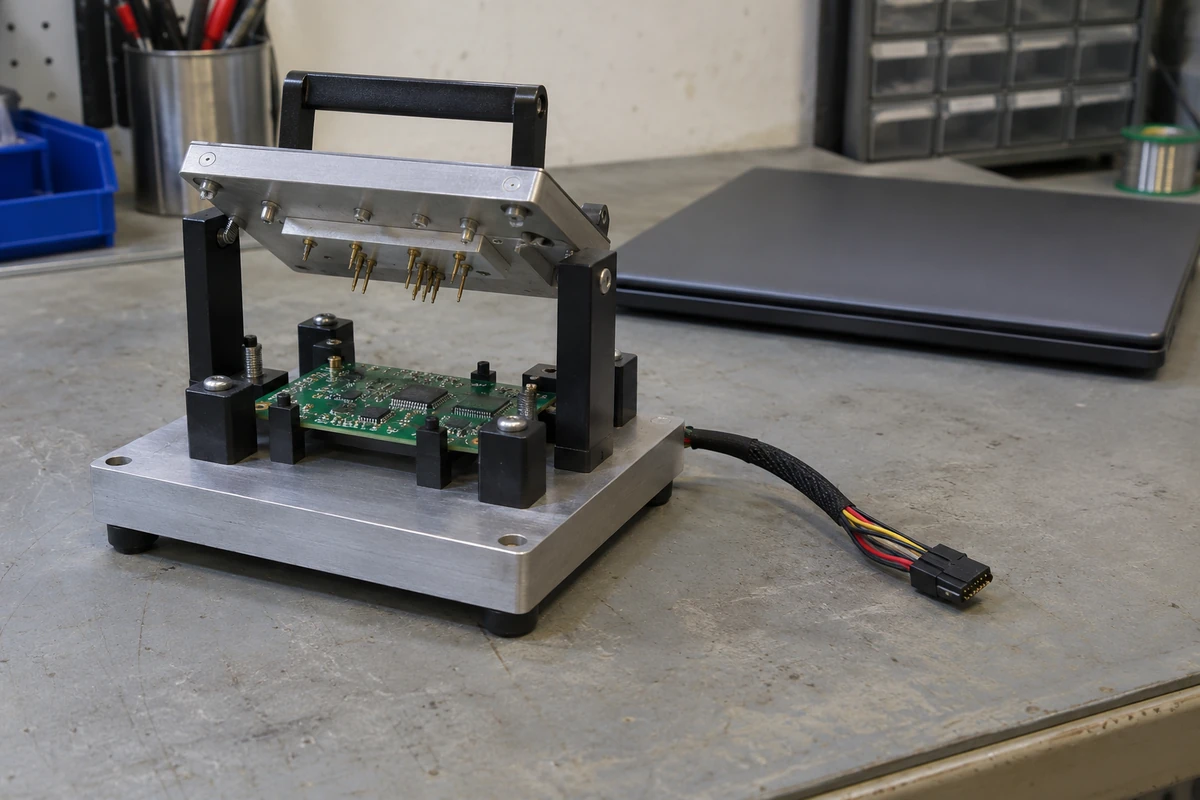
Images show generic objects as examples, not the named product, a supplier facility or a test record.
- Separate historical reported results from management’s forecast.
- Identify the specific manufacturing program behind every capacity answer.
- Distinguish a customer forecast from a supplier commitment.
- Record missing evidence with an owner and a decision trigger.
This guide belongs to the sourcing evidence route. It is a procurement meeting worksheet, not a supplier ranking or investment assessment.
Which release facts belong in the meeting context?
Use a short source record to identify what happened and avoid carrying investor-level language into an operational promise. Jabil’s original release is dated September 30, 2026; EMSNow covered it on October 1. The underlying announcement concerns the quarter and fiscal year ended August 31, 2026.
| Context | Original release statement | Procurement implication |
|---|---|---|
| Reporting status | Preliminary, unaudited results | Preserve that qualification when quoting the results |
| Fourth-quarter revenue | Jabil reports $10.6 billion for Q4 FY2026 | Group revenue does not allocate capacity to an individual customer |
| Fiscal-year revenue | Jabil reports $36.0 billion for FY2026 | Identify the relevant program and site before drawing an operational conclusion |
| Fiscal 2027 outlook | Management forecasts revenue of $44.5 billion | Forecast, not a delivery commitment to your program |
These figures are reported by Jabil in that release. They are not this publication’s audit or an estimate of your EMS partner’s performance. Management says it brought critical new capacity online and describes committed business supporting new capacity in its fiscal 2027 outlook. These company statements motivate the next program-level questions: which site and assembly are covered, what readiness status applies, and what allocation is actually committed to the customer? This is the publication’s review direction; the release supplies no answer for an individual customer’s production slot.
For the assembly identity, begin with the component and ordering-code record. A commercial conversation is easier to review when “the board” refers to a controlled assembly revision and bill of materials.
Takeaway: Bring the release as context and ask for separate evidence covering your own program.
What capacity questions belong to the actual production program?
Ask which site, process and readiness milestones support the output you plan to purchase. A statement about installed capacity becomes useful only when the partner explains whether it concerns your assembly, its required processes and the period you are planning. This worksheet specifies questions, not a standard capacity-allocation rule.
| Question for the EMS partner | Record to request or identify | Decision it supports |
|---|---|---|
| Which site and assembly revision does this answer cover? | Program/site scope | Avoid comparing unrelated operations |
| Is the capacity answer installed, qualified, scheduled or committed? | Defined status and supporting milestone | Separate physical assets from readiness and allocation |
| Which production and test steps remain open? | Program readiness record | Decide whether the ramp plan needs an unresolved dependency |
| What demand period and mix did you use? | Agreed planning assumptions | Compare the answer with the customer’s forecast |
| What event would change the proposed allocation? | Applicable planning/contract terms | Decide when the plan needs another review |
The distinction between those statuses is an editorial way to ask a precise question. It does not imply Jabil has an unqualified line or that any other EMS partner has withheld capacity. Retain the partner’s actual terminology and ask for clarification where the status is ambiguous.
Use the industrial applications route to preserve equipment and assembly context. If a control-board program includes integration work, the embedded-control route provides a reading path for documentation of that separate task.
Takeaway: Make the capacity response identify the program, readiness state and planning assumptions.
What material commitments need to be visible before the annual plan changes?
Ask who owns each material decision and which commitments already exist. A revenue forecast does not answer whether the customer’s forecast has become an order, whether material is reserved or which party bears an exposure. Keep the answer tied to the applicable agreement rather than assuming a universal EMS practice.
| Question | Useful evidence | Owner to identify |
|---|---|---|
| Which BOM revision and approved parts are in the plan? | Controlled material list | Customer engineering / program owner |
| Which inputs are forecasts and which are committed orders? | Planning record and order references | Buyer / EMS commercial owner |
| What material exposure exists under the actual terms? | Relevant order and contract provisions | Authorized commercial reviewer |
| Who may approve a substitute or source change? | Existing approval process | Engineering / quality owner |
| Which receipts can be traced to the purchased material? | Supplier and receiving records | Material-control owner |
For an obsolete or unavailable part, the component replacement checklist keeps candidate identity and approval evidence separate. Do not let a proposed substitute disappear into a planning total before that review is complete.
For incoming material, the date-code and batch record preserves observed markings and their applicable source rules. It does not turn a familiar date code into evidence of origin, acceptance or material availability.
Common mistake: Treating an EMS partner’s positive outlook as confirmation that all parts for the customer’s forecast are secured.
Takeaway: Ask for the actual material status and agreement scope before converting a forecast into a procurement commitment.
How do you keep test readiness and commercial scope in the same conversation?
Pair the production proposal with the acceptance and commercial documents it relies on. The useful question is which evidence lets the authorized customer reviewer accept this program’s output, and which costs or responsibilities the proposal includes. This article supplies no assumed test coverage, price or savings percentage.
| Topic | Question to ask | Output to retain |
|---|---|---|
| Test readiness | Which agreed tests and fixtures are ready for this assembly revision? | Readiness status and applicable acceptance requirements |
| Open qualification | What remains unresolved before the proposed ramp? | Issue owner, evidence needed and decision trigger |
| Engineering changes | How does the actual agreement handle a revision or test change? | Applicable change-control record and commercial scope |
| Quotation scope | Which services, tooling and material responsibilities are included? | Comparable scope statement |
| Delivery commitment | Which dates and assumptions are actually committed? | Dated program-specific response or agreement |
The datasheet condition checklist helps preserve conditions behind component-level statements. It cannot establish the acceptance plan for a complete assembly. Ask the program’s quality owner to identify the relevant requirements and records.
For interface-dependent tests, the industrial-interface comparison explains why a connector, electrical layer and application protocol need separate identities. That distinction can help frame an integration question without assuming the supplier’s test coverage.
Takeaway: Keep test evidence, scope and delivery assumptions in the program packet that supports the commercial decision.
Who should use this checklist, and when should the next review happen?
Use the questions at the next scheduled program review or before a material commitment changes. The release itself creates no customer deadline. A practical meeting ends with a record of what changed, what remains open and what evidence will trigger the next decision.
| Reader | Impact of the announcement | Meeting output | Basis |
|---|---|---|---|
| Annual procurement planner | Management describes online capacity and committed business supporting new capacity | Program/site scope, readiness and allocation compared with the partner’s actual response | Company statements; editorial review questions |
| Program manager | Capacity statement needs assembly/site scope | Readiness and allocation status record | Limits of group-level reporting |
| Engineering / quality | Proposed changes need existing approval evidence | Open qualification or substitution items | Program-specific review questions |
| Commercial reviewer | Forecasts and obligations need separation | Applicable commitment and exposure record | Terms not established by an earnings release |
| Date or trigger | Event/action | Source or owner | Nature |
|---|---|---|---|
| August 31, 2026 | Period end identified in the results | Jabil release | Reported accounting-period date |
| September 30, 2026 | Original Q4 and FY2026 release | Jabil investor relations | Company announcement |
| October 1, 2026 | EMSNow coverage | EMSNow | Coverage of the same announcement |
| Next program review | Ask the scoped questions and assign open items | Customer / EMS program owners | Date set by the actual program |
| Proposed change in commitment | Review evidence and applicable terms | Authorized buyer and reviewers | Decision trigger, not a news-imposed deadline |
Keep observations about installed equipment distinct from contract or acceptance decisions using the equipment record guide. Bring the resulting open-item list back to the sourcing review instead of closing a question with a general statement about growth.
Takeaway: Let program events and commitments set the review timing.
What remains unknown, and when does this guide not apply?
Public results do not disclose your allocation, material exposure, acceptance status, quoted scope or delivery commitment. The relevant EMS partner and the customer’s authorized owners need to resolve those fields. A missing answer is an open question, not evidence of a supplier failure.
| Open item | Who can answer | Supporting document |
|---|---|---|
| Program capacity and readiness | EMS program owner | Scoped planning/readiness record |
| Material ownership and exposure | Authorized commercial parties | Actual orders and applicable terms |
| Acceptance and change status | Engineering / quality owner | Controlled requirements and approval records |
| Quoted scope and dates | Actual commercial counterparty | Dated program proposal or commitment |
For each open item, use a record with these fields: program/site and assembly revision; current answer or “unconfirmed”; evidence reference, version and date; named responsible owner; missing document; next review date or trigger. These are blank editorial record fields. Fill them from the actual conversation and program documents; leave unanswered fields unconfirmed.
This guide is unsuitable for deciding share value, ranking EMS companies or predicting a supplier’s prices. It also does not claim that Jabil’s public forecast applies to another partner. Use the questions with the actual counterparty and its actual documents.
Takeaway: Change the procurement plan when the program evidence supports it, not when a group headline sounds favorable.
Methods and sources
The news context and financial figures come from Jabil’s original September 30 release, read October 9, 2026, with preliminary/unaudited and forward-looking distinctions retained. EMSNow’s October 1 article is coverage of that announcement, not another audit. The question tables are this publication’s editorial planning aid. No customer contract, capacity allocation or supplier performance has been inspected.
Related reading
- Replacement review matrix — Keep component changes visible in the program plan.
- Batch traceability record — Link receiving observations to their source documents.