Treating a supplier’s new site as automatic approval of a cleaning material can create purchasing and process rework. After KYZEN’s Penang announcement, first establish whether the material you buy is affected, then document the change scope, batch evidence, process review and delivery terms.
KYZEN announced a new Southeast Asian headquarters and production facility in Penang, Malaysia, in a release dated September 2026. It describes improved production capacity, delivery and technical support as the facility’s aims. That announcement does not establish that your chemistry has transferred sites, that its formulation changed or that your plant has approved material from the new location.
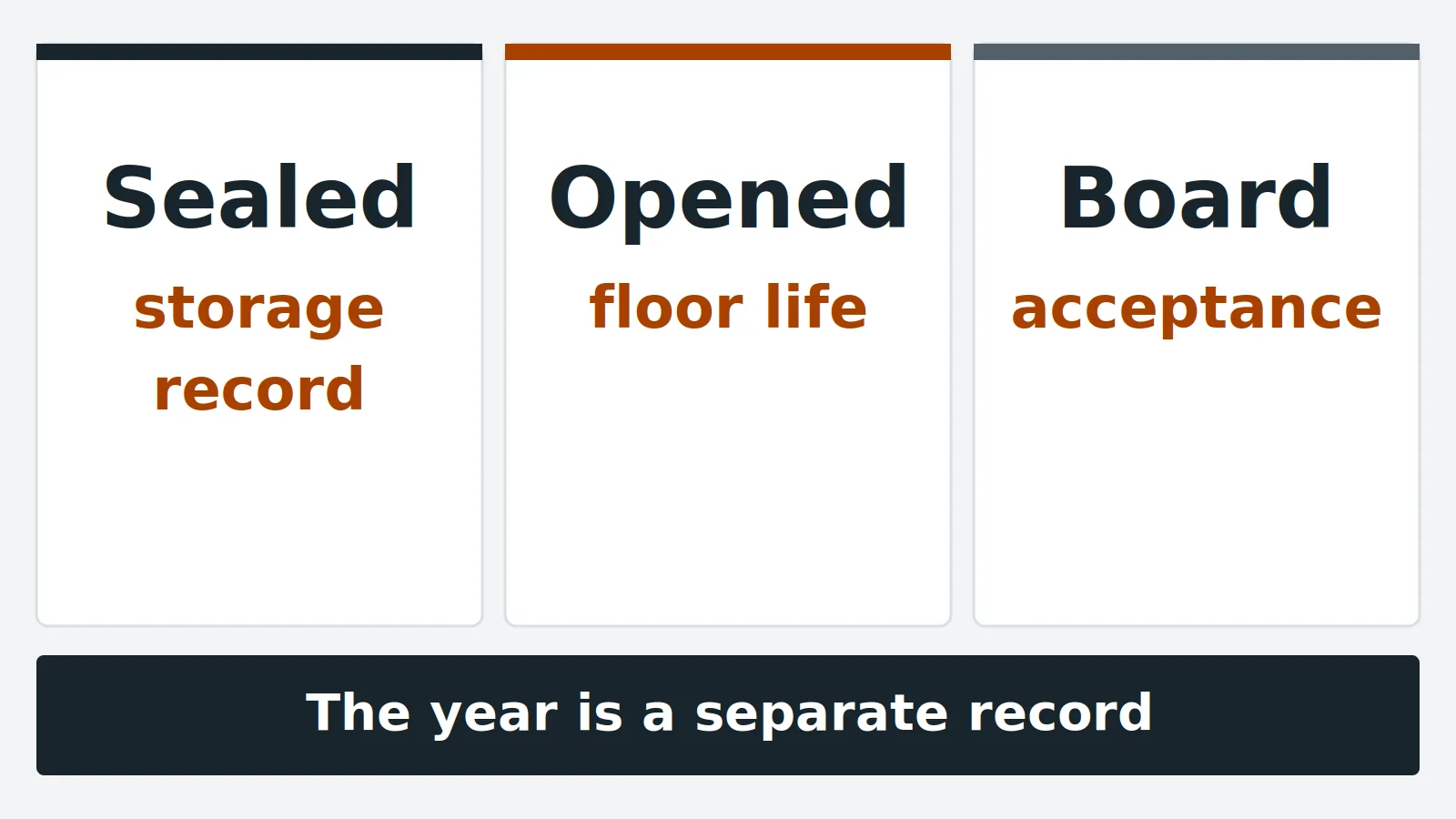
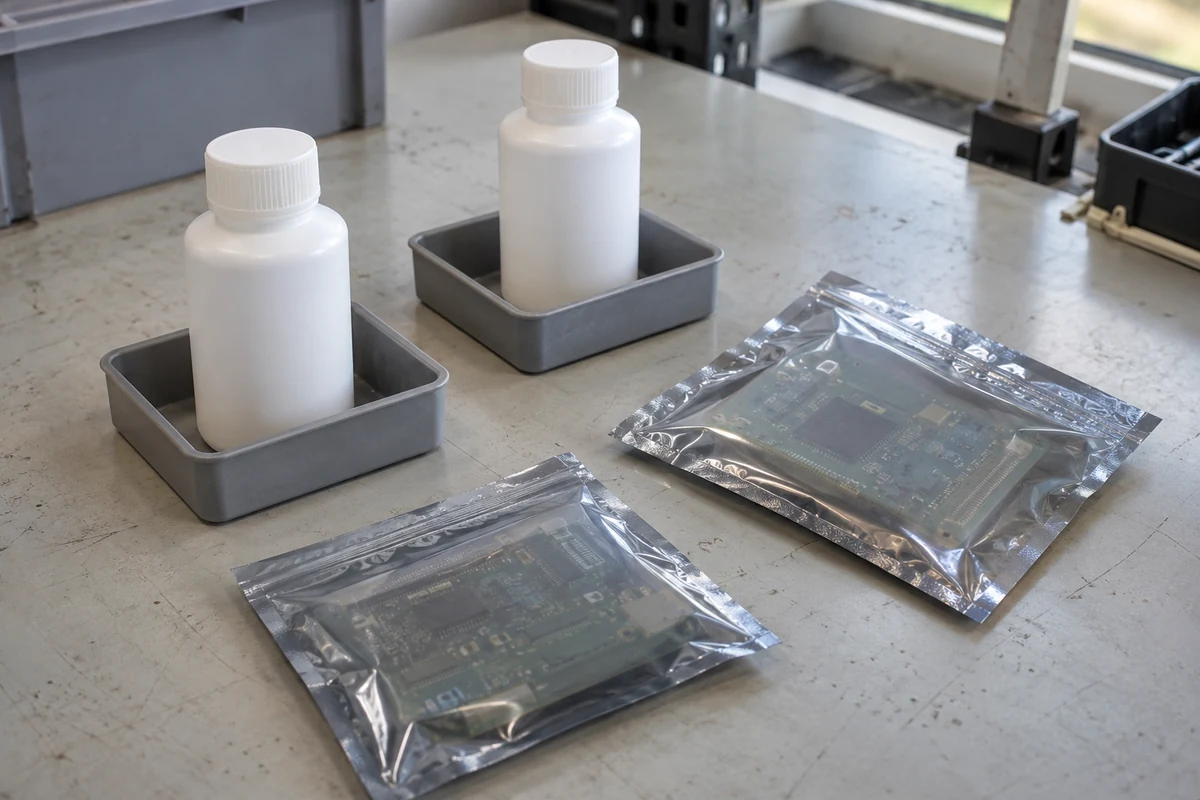
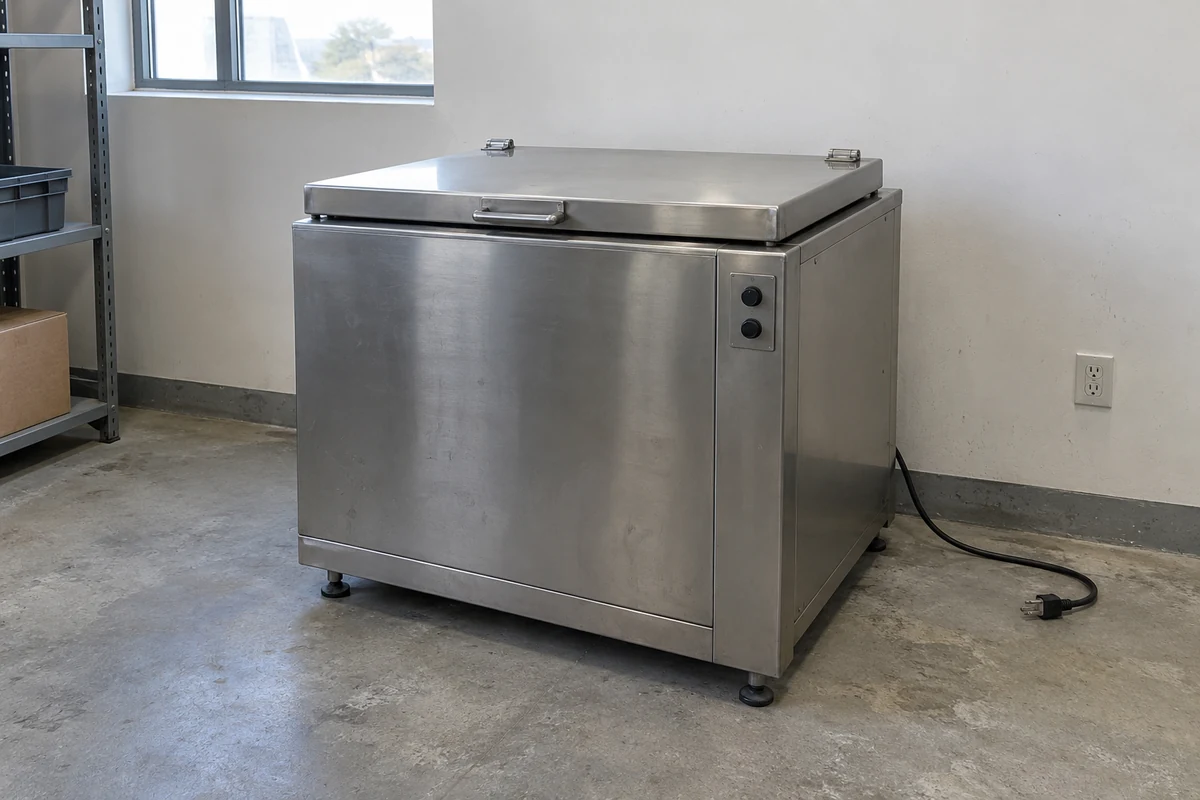
Images show generic objects as examples, not the named product, a supplier facility or a test record.
- Ask whether the announcement affects your exact product and supplying site.
- Separate a site/address change from a product, process or specification change.
- Let the actual agreement and quality process determine the review requirements.
- Confirm delivery for the purchase you intend to make, rather than inferring it from regional expansion.
The sourcing evidence route connects this checklist with supplier identity, material records and receiving documentation.
What does the Penang announcement establish for a buyer?
The buyer’s first useful output is a scoped supplier response identifying the purchased product, the existing source and any proposed change behind KYZEN’s facility announcement.
| Published item | Source and date | Buyer interpretation |
|---|---|---|
| New Southeast Asian headquarters and production facility in Penang | KYZEN original release, dated September 2026 | Company announcement about the site |
| Intended capacity, delivery and technical-support improvements | Same release | Stated aims; no customer-specific improvement demonstrated |
| October coverage of the opening | SMT Today, October 1; Evertiq, October 6, 2026 | Later reporting, not the physical move date for your material |
| Product-level manufacturing or supply change | Not established by the announcement | Obtain a response for the exact chemistry and purchasing route |
Do not assume a press publication date is the first shipment date, or that every chemical in a supplier’s range now originates at the new facility. Keep the existing approved product identity, specification and source records available while asking the supplier to identify the affected scope.
The component identity guide demonstrates why a complete purchased-item identifier matters. For chemistry, use the supplier’s actual product designation and applicable specification rather than trying to decode it as a component marking.
Takeaway: Establish whether your purchased product is affected before opening a change review.
Which change questions should purchasing send to the supplier?
Ask for the product and site scope, the nature of any change and the relevant records. A product change notification, often abbreviated PCN, is a useful document to ask about where it applies. This checklist does not impose a universal notice period or claim that the Penang announcement is itself a PCN.
| Question | Evidence to request or identify | Purpose |
|---|---|---|
| Does this affect our exact purchased product? | Product designation and affected-item statement | Separate the news from the order |
| What is the old and proposed manufacturing/supplying location? | Site identity and supplied scope | Identify the location change under review |
| Is only the address changing, or also manufacturing/process/material details? | Supplier’s scoped change description | Avoid assuming the technical impact |
| Which specification and safety documents apply? | Current applicable versions | Compare the documents used by the plant |
| Is there a formal notice under our agreement? | Actual notice and applicable terms, where relevant | Determine the customer’s review obligations |
| Which material or orders are affected, and when? | Batch/order scope and supplier’s actual transition statement | Plan the receiving and supply review |
Keep “no change reported” as a supplier statement tied to its scope, rather than an editorial claim that no change occurred anywhere. If the supplier response covers only a distributor address, do not use it to close a manufacturing-location question.
For a different item or an alternate supply proposal, the replacement review matrix provides a way to list differences and owners. It is not a chemical-equivalence standard; the actual chemistry and process documentation remain necessary.
Takeaway: Request a precise change description and retain the agreement or quality process that decides its significance.
What batch evidence helps the receiving team distinguish the material?
Identify each supplied batch through the actual supplier and receiving records. A batch identifier, a site statement and a certificate of analysis answer different questions. Where a certificate of analysis is supplied or required, retain its relation to the received lot and applicable specification rather than treating the document’s presence as acceptance.
| Receiving field | Record | Unresolved question to preserve |
|---|---|---|
| Purchase identity | Actual ordered chemistry and specification | Does the received item match the order? |
| Supplier batch identity | Identifier on the actual supplied material | Which source document relates to this lot? |
| Declared source | Site/origin information supplied for the material | Does it answer the manufacturing-site question? |
| Analysis or conformity evidence | Applicable batch document, if provided/required | What scope and specification does it cover? |
| Receipt reference | Plant’s receiving identifier and covered material | Can each source lot be associated with the receipt? |
| Acceptance status | Decision under the plant’s actual process | Who is authorized to release or hold it? |
Do not repair a missing lot association by relying on the facility news. Record the missing document and the party who can supply it. Retain the actual batch record for its manufacturing, dispatch and acceptance dates.
The date-code and traceability worksheet shows how to separate raw observations from interpretation and origin evidence. Its component examples are not chemistry date-code rules. Follow the actual chemistry supplier’s documentation for any date or life-related field.
Common mistake: Accepting a regional facility announcement as the source record for a received lot.
Takeaway: Connect the actual received lot to its applicable documents and keep acceptance as a separate decision.
How should process and quality owners decide whether another evaluation is needed?
Give them the supplier’s change description and the plant’s existing approved process. Whether another evaluation, requalification or document update is needed depends on that evidence and the applicable requirements. Identify the assembly, chemistry and cleaning setup covered by the existing baseline.
| Review input | Question for the process/quality owner | Output |
|---|---|---|
| Existing approved chemistry and process | What material and setup does the current approval cover? | Baseline scope |
| Supplier change description | Which baseline assumptions are affected? | Identified differences, with source references |
| Assembly and residue context | Which assemblies and materials does the review cover? | Applicable evaluation scope |
| Document revisions | Do the applicable specifications or instructions differ? | Version comparison and owner |
| Acceptance requirements | What evidence does our actual process require? | Authorized decision and open conditions |
SMTnet’s introduction and abstract for “Why Clean a No-Clean Flux” list authors Mike Bixenman of KYZEN, Mark McMeen of STI and Bruno Tolla of Kester, with a page publication date of November 4, 2020. That manufacturer-affiliated background discusses cleanliness in relation to assembly and residue conditions. It motivates a process-specific review question; it is not independent validation of material from Penang.
Use the component-documentation route to preserve the assembly’s relevant materials and identifiers. Use the document condition checklist to retain scope and conditions when comparing source documents. Attach the specification version and relevant conditions to each document comparison.
Keep installed process observations with the equipment record guide. Associate each observation with the affected equipment and the reviewer who will use it.
Takeaway: Have the authorized owners compare the change with the approved baseline before deciding the evaluation needed.
Who is affected, and when should the supply plan change?
Purchasing, receiving, process engineering and quality need different outputs before a product-specific decision. Assign the owner and review trigger when the supplier identifies an affected product or order.

| Reader | Relevant impact | Output | Basis |
|---|---|---|---|
| Buyer | A new site raises a product-scope question | Written affected-product and supply-route response | Supplier’s facility announcement |
| Receiving team | Supplied lots need their own source records | Batch-to-document association | Announcement does not identify purchased lots |
| Process engineer | Actual changes need comparison with the existing process | Difference review and evaluation scope | Product-specific conditions unresolved |
| Quality owner | Acceptance follows the actual requirements | Authorized disposition and open items | Facility news does not establish approval |
| Date or trigger | Event/action | Source or owner | Nature |
|---|---|---|---|
| September 2026 | Original release dated at month level | KYZEN | Company announcement; exact opening day not established here |
| October 1, 2026 | SMT Today carries the announcement | SMT Today | Reporting date |
| October 6, 2026 | Evertiq coverage | Evertiq | Reporting date |
| Supplier identifies an affected product/order | Start the relevant change and receiving review | Supplier / customer owners | Product-specific action; date to be confirmed |
| Before changing an order or accepting affected material | Resolve applicable open requirements | Authorized buyer / quality owner | Project decision trigger |
For US delivery, ask which product and dispatch location the supplier’s response covers, what date and assumptions it uses, and what is actually committed. Record those answers through purchase evidence, with the industrial applications route retaining the local equipment and process context.
Takeaway: Use the actual product transition and purchasing decision as the timing trigger.
What is still unknown, and when does this checklist not apply?
The release does not establish a formulation change, batch equivalence, customer-specific requalification requirement or delivery improvement. The supplier can resolve affected-product and transition questions; the customer’s authorized owners decide the review and acceptance requirements under their actual process.
| Open item | Owner | Evidence needed |
|---|---|---|
| Product and manufacturing-site scope | Supplier | Affected-item and site statement |
| Batch association and specification | Supplier / receiving owner | Lot-specific documents and applicable versions |
| Evaluation or requalification need | Process / quality owner | Baseline, change description and governing requirements |
| US delivery and commercial commitment | Actual purchasing parties | Dated product-specific terms |
This checklist is not a chemical-handling procedure, a supplier recommendation or a claim that a facility move changes every product. It supplies no substitute solvent, universal cleaning method or mandatory PCN interval. The plant’s applicable safety instructions and authorized process remain the basis for operational decisions.
Takeaway: Keep facility news, product change evidence and local acceptance in distinct records.
Methods and sources
The news facts come from KYZEN’s original release dated September 2026, read October 9, 2026. October media coverage is treated as reporting of that announcement, not independent evidence of delivery or process performance. The procurement and receiving tables are editorial review aids. The SMTnet introduction and abstract provide manufacturer-affiliated cleaning-process background, not a full-paper review or independent evaluation. This publication has not inspected the facility, sampled a batch or qualified a chemistry.
Related reading
- Batch evidence worksheet — Keep physical observations and source-document associations distinct.
- Change comparison record — Assign an owner and evidence requirement to each difference.